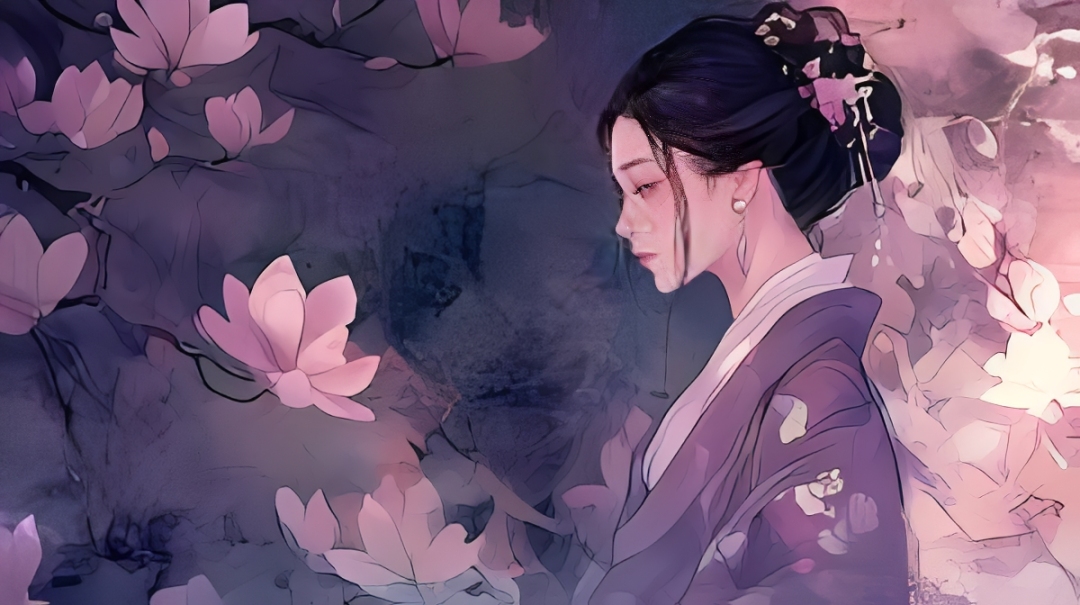
Hair accessories have long been more than just functional items to keep hair in place—they are fashion statements, expressions of personality, and even tools that influence confidence and style. From simple hairpins to elaborate headbands, hair accessories have evolved into a versatile and essential part of women’s wardrobes. Here are six key aspects of hair accessories every woman should understand.
1. The Functional Role of Hair Accessories
At their core, hair accessories serve practical purposes. Hairpins, clips, elastics, and scrunchies are designed to hold hair in place, manage different hairstyles, and maintain neatness throughout the day. For example, a high ponytail or bun secured with a sturdy elastic can keep hair out of the face during workouts or professional activities.
Functional accessories also help protect hair from damage. Soft fabric scrunchies reduce breakage compared to standard rubber bands, while silk or satin hair ties minimize friction and frizz. By understanding the functional differences between types of accessories, women can choose items that not only complement their style but also maintain hair health.
2. Different Types of Hair Accessories
Hair accessories come in countless forms, each serving different purposes and aesthetic goals:
- Hairpins and Bobby Pins: Ideal for securing small sections of hair or creating intricate hairstyles. They are subtle but essential for styling.
- Hair Clips and Barrettes: Available in decorative or functional styles, these can add flair while keeping hair neatly in place.
- Scrunchies and Hair Ties: Essential for ponytails and buns, with fabric choices ranging from cotton to silk.
- Headbands and Hairbands: Both functional and decorative, they can frame the face, manage hair, and add a stylish touch.
- Decorative Accessories: Hair combs, floral clips, jeweled pins, and ribbons are often used for special occasions like weddings, parties, or photoshoots.
Understanding the variety allows women to select accessories that fit their hair type, lifestyle, and personal style, from everyday practicality to glamorous events.
3. Fashion Trends in Hair Accessories
Hair accessories are deeply intertwined with fashion trends, which constantly evolve with seasons, social media, and cultural influences. For example, oversized claw clips and padded headbands gained massive popularity in recent years, partly fueled by influencers on platforms like Instagram and TikTok.
Trends can range from minimalist and subtle to bold and statement-making. Pearl-decorated hairpins, floral crowns, and rhinestone clips are popular for formal events, while scrunchies in pastel tones dominate casual street fashion. Seasonal color palettes also influence hair accessory trends, with bright summer colors or muted winter tones becoming fashionable.
By staying informed about trends, women can use hair accessories to update their look without a complete wardrobe overhaul, allowing for creative self-expression and personalized style.
4. Hair Health and Accessory Choices
Hair accessories not only serve a functional and aesthetic role but also impact hair health. Choosing the wrong accessory can lead to hair breakage, tangling, or scalp discomfort.
- Avoid Tight Elastics: Standard rubber bands can pull and damage hair. Opt for soft, covered ties like scrunchies.
- Use Smooth Pins: Metal pins with rough edges can snag hair. Choose coated or rounded pins.
- Protective Styles: Accessories that hold hair gently in protective hairstyles, like braids or buns, reduce stress on hair follicles.
By considering hair health, women can enjoy stylish hairstyles without compromising the condition of their hair. Proper care extends the lifespan of both hair and accessories.
5. Hair Accessories as a Tool for Personal Expression
Hair accessories are powerful tools for self-expression. They can convey personality, mood, or cultural identity without words. For instance, a sleek, minimalist headband might suggest a polished, professional aesthetic, while colorful scrunchies or playful clips express a fun and carefree personality.
Many women use hair accessories to coordinate with outfits, makeup, or occasions. Matching a headband to a dress or using jeweled pins for a wedding demonstrates attention to detail and enhances overall appearance. In this way, hair accessories function as micro-fashion statements, offering small but impactful ways to enhance individuality.
6. The Cultural and Historical Significance of Hair Accessories
Hair accessories have played important roles in culture and history. In many cultures, they are not only decorative but also symbolic. For example, in traditional Chinese culture, ornamental hairpins (known as “hairpins”) were used to signify social status or marital status. Similarly, floral hair adornments are central to weddings in various cultures, symbolizing beauty, purity, or celebration.
Even today, cultural influences shape accessory design and usage. Many contemporary brands incorporate traditional motifs or artisanal craftsmanship into modern hair accessories, bridging the past and present. Understanding this history adds depth to the seemingly simple act of wearing a hair accessory, highlighting the connection between fashion, identity, and culture.
Conclusion
Women’s hair accessories are far more than mere decorative tools. They serve functional purposes, enhance hairstyles, and allow for personal expression while also influencing hair health. From everyday scrunchies to ornate headpieces, each accessory has the power to transform a look and elevate confidence.
By considering functionality, variety, trends, hair health, self-expression, and cultural significance, women can make informed choices about the hair accessories they wear. These small yet powerful items continue to evolve with fashion and technology, remaining timeless elements of style that celebrate individuality, creativity, and beauty.
Whether for daily routines, professional settings, or special occasions, hair accessories remain essential tools in every woman’s fashion arsenal, proving that sometimes, the smallest details make the biggest difference.